
Building Community Through Civility! How We Interact With Each Other Matters
Apr 15, 2026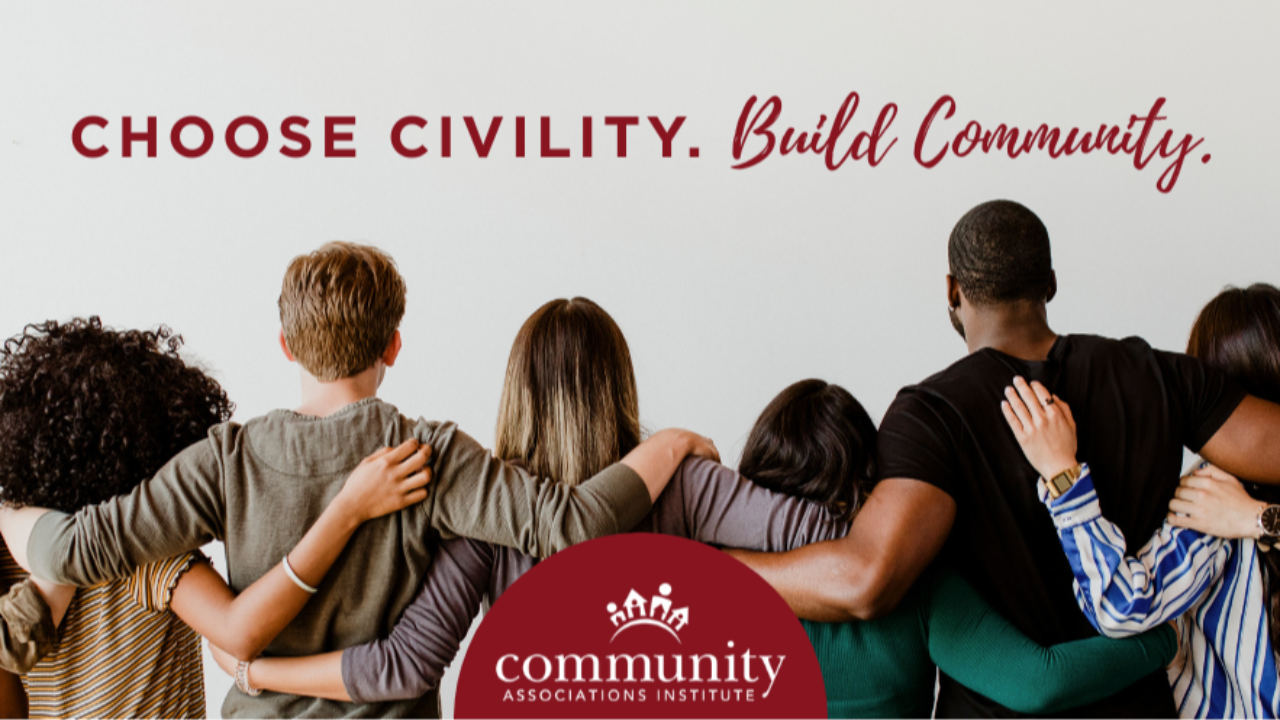
By Matt D. Ober, Esq., CCAL, CAI President
This article first appeared in Beven & Brock News and Views for Homeowner Associations April 2026 newsletter here.
As we these navigate somewhat uncertain, if not volatile, times, we find that our community dialogue is more hostile than it needs to be. Currently, there are an estimated 51,250 community associations in California, and approximately 14.5 million of us living in them. Indeed, an increasing number of new homes being built are in community associations. Without question, each of us who live in, manage or work with community associations have the opportunity to make our communities better places to come home to.
In addition to rapidly changing cultural and generational demographics, our dialogue has become increasingly contentious as experienced in daily community encounters and meetings. Community association relationships can easily become volatile and emotional as a growing number of people in community associations are resistant to being governed by volunteer leaders whom they elected to represent them.
Civility, by definition, is a formal politeness and courtesy in one’s behavior and speech. The lack of civil discourse (civility) is rampant, and the negative effects of this fact play out in property values, and quality of life, including enjoyment of homes. Sadly, personal attacks shut down conversation and dialogue which causes constructive conversation on the important issues facing the association to cease and nobody wins.
In order to help facilitate a solution, the Community Associations Institute College of Community Association Lawyers has been working to bring forward a solution that is long overdue. Their work has resulted in a “Civility Pledge” that common-interest- developments are being encouraged to adopt in their community. By adopting the Civility Pledge’s guiding principles, community association Boards and managers will lead their communities through conversations about difficult and complex issues while harmonizing resident’s feedback. The hoped-for results would be decisions that are informed and well balanced for the community.
Essentially, it is important for everyone in the community, whether they are owners, community managers. board members, or service providers, to engage with one another, especially where there is disagreement, respectfully (key word –respectfully). A community leader can, and should, lead by example and demonstrate through his or her actions how this is done. Of course, disagreement is a part of life in a community association so engaging in healthy dialogue is critical. The Board has the ability if not the responsibility to inform and demonstrate to residents what kind of behavior is expected and what type is not acceptable. When engaging in open discussion or debate on community association matters, use the opportunity to demonstrate to others a better way to interact with each other.
The “Civility Pledge” is as follows: Our Association is committed to fostering a climate of open discussion and debate, mutual respect, and tolerance between all who live in, work in, and visit our community.
We expect each individual, whether a resident, guest, board or committee member, community association manager, staff member, business partner, or contractor, to be accountable for her or his own actions and words.
We believe all interactions in the community should be civil despite any differences of opinion on a particular issue. We believe in finding common ground and engaging in civil discussion about community issues important to each of us.
We vow to respect all points of view and will strive to provide a reasonable opportunity for all to express their views openly—without attacks and antagonizations. We agree to keep our discussions focused on the business issues at hand, as well as on the ideas and desired outcomes. We urge all residents to be engaged and informed. Get to know your neighbors, your board members, and your community manager. Attend meetings, join a committee, or serve on the board. Understand the community’s rules, regulations, and covenants, and the value they add. Ask questions, share your opinions, and vote.
We also encourage all to review Community Associations Institute’s Rights and Responsibilities for Better Communities. The principles laid out in the document can serve as important guideposts for all those involved in our community— residents, guests, board and committee members, community association managers, staff members, business partners, and contractors.
We believe these commitments to civility, as well as engaged and informed residents, are a vital part of our shared goal of being a vibrant, thriving community. However, these commitments are merely guiding principles. They are not governing documents or legally enforceable and do not give rise to penalties if they are not followed. In closing, unfortunately, there is no magic potion for creating civility in a community, and any solution to grow it will take time to educate the community and obtain acceptance. This will require regular reminders at Board meetings, and in minutes and annual disclosures.
The real work of this is depends on board members, owners, managers and anyone connected with the association. Learning to listen without interruption or the need to defend and argue doesn’t come easily and is a learned behavior. However, over time the result of practicing civility will result in greater harmony in the community and an enhanced enjoyment of the property that all owners will appreciate, together.
Board members can access the pledge as well as additional information here. We would encourage your association to adopt this pledge in your community.


